Sort with absolute clarity
Vague eco-guilt doesn't recycle packaging. Accurate daily habits do. Learn exactly what belongs in your local bin before you buy.
The sorting guide
Not all packaging is created equal. Here is how to identify authentic recyclables and avoid the common traps that contaminate local sorting facilities.
Paper & Cardboard
Glass & Aluminum
Rigid Plastics
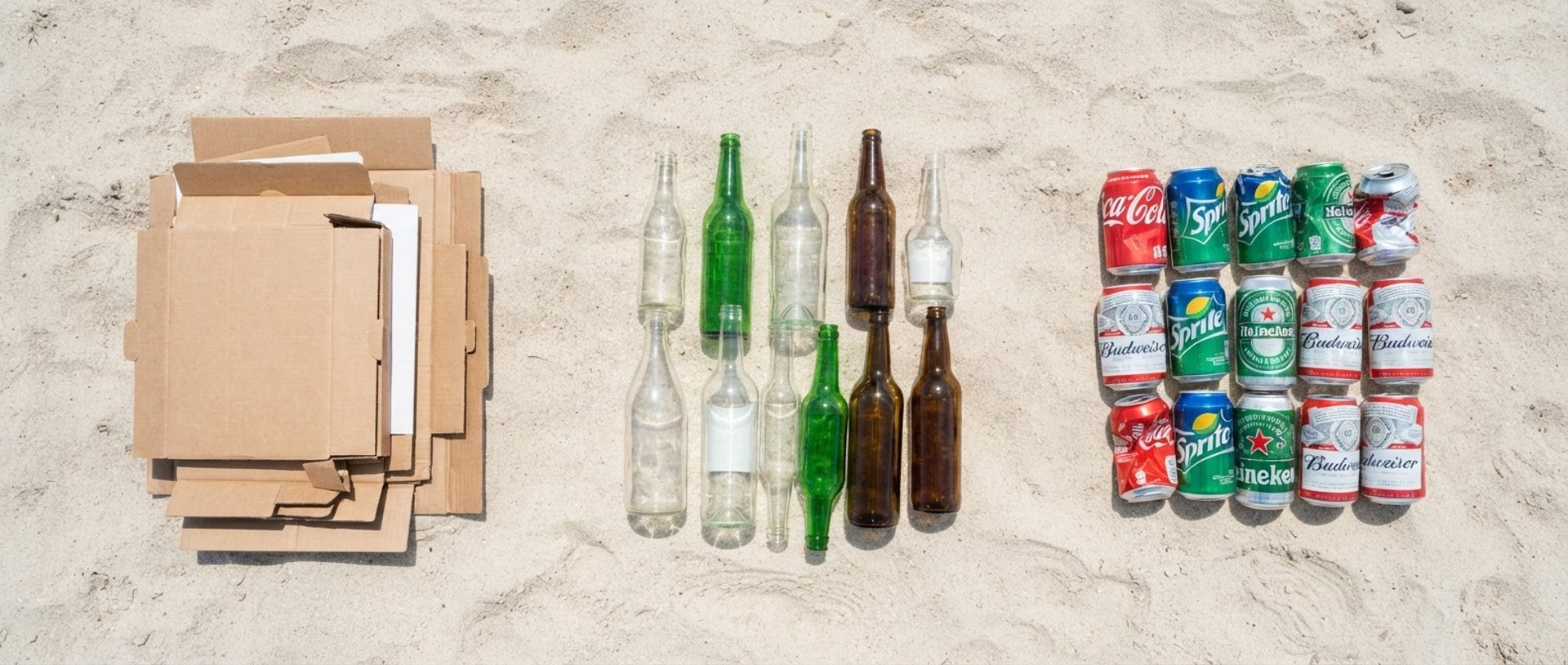
Clean, dry mail, cereal boxes, and flattened shipping cartons are highly recyclable. Always remove plastic tape and shipping labels.
Beverage cans, tin food jars, and glass bottles are infinitely recyclable. Give them a quick rinse to remove food residue before binning.
Focus strictly on jugs and bottles labeled PET #1 or HDPE #2. These have stable domestic reclamation markets across most states.
Food Residue
Plastic Film
Mixed Materials
Greasy pizza boxes and unrinsed takeout containers contaminate entire batches of clean paper, turning valuable resources into trash.
Grocery bags, bubble wrap, and stretch films wrap around mechanical sorting gears, shutting down local municipal plants.
Mailing pouches lined with bubble wrap or multi-layer juice boxes cannot be separated and belong strictly in the landfill bin.
Conscious habits
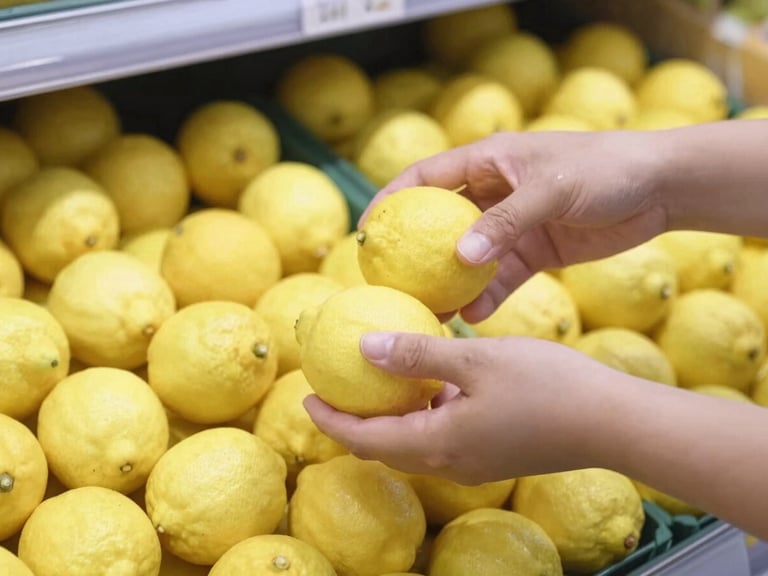
Look for highly recyclable glass and aluminum over multi-layer plastics. Avoid black plastics, which optical sorting scanners cannot detect, and opt for loose produce over plastic-wrapped alternatives.
Recycle at the aisle
True waste reduction happens before you ever reach the checkout. By choosing conscious packaging, you simplify your sorting habits at home.
Teach the next generation
Empower your kids with simple, active sorting games. Download our youth-led guide created to make daily habits fun and impactful.
Blue Bin Basics
Clear sorting. Real habits. No eco-guilt.
GUIDES
Home
About
Materials
For Kids
State Rules
Programs
COMMUNITY
hello@bluebinbasics.org
Youth-led action across NJ & CA
Est. 2020
© 2026 Blue Bin Basics-Founded by Diya Jain in 2019 to empower local youth.
WISH-CYCLING STOPS HERE